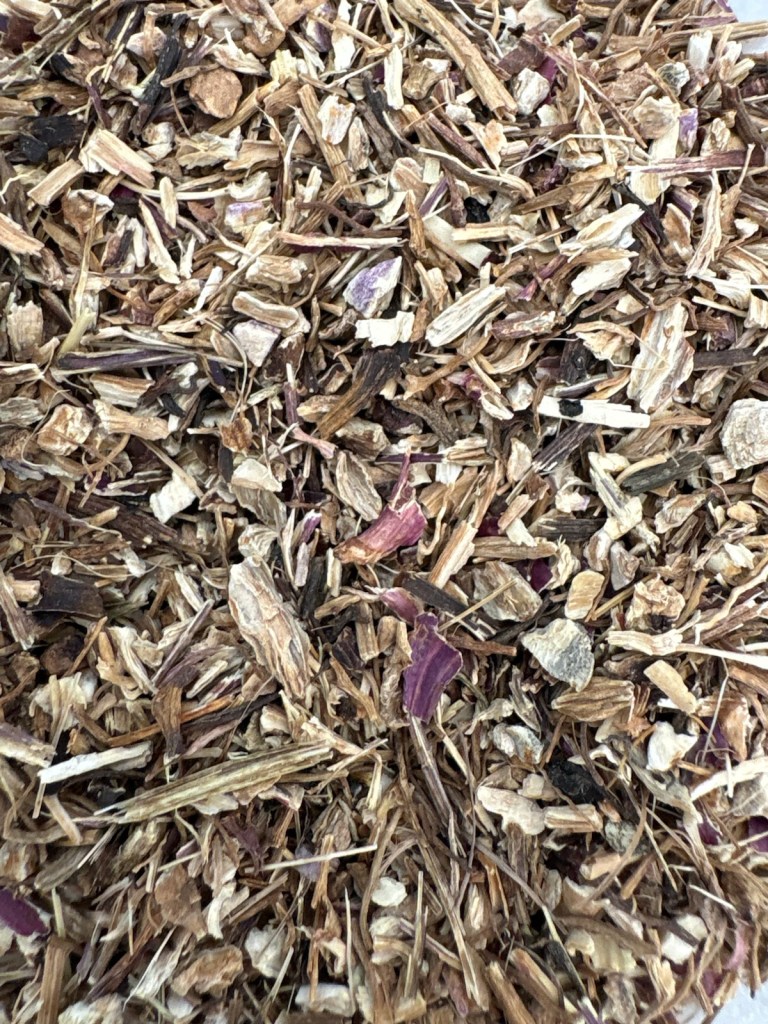
Echinacea purpurea root
Echinacea plants contain an impressive variety of active compounds, such as caffeic acid, alkamides, rosmarinic acid, polyacetylenes, phenolic acids, and many more. Those first three are credited with Echinacea’s ability to reduce anxiety.
Echinacea contains compounds with anti-inflammatory effects, which may help reduce swelling and pain associated with conditions such as arthritis and eczema.
Echinacea may help stimulate the immune system and reduce the duration and severity of common colds and upper respiratory infections.
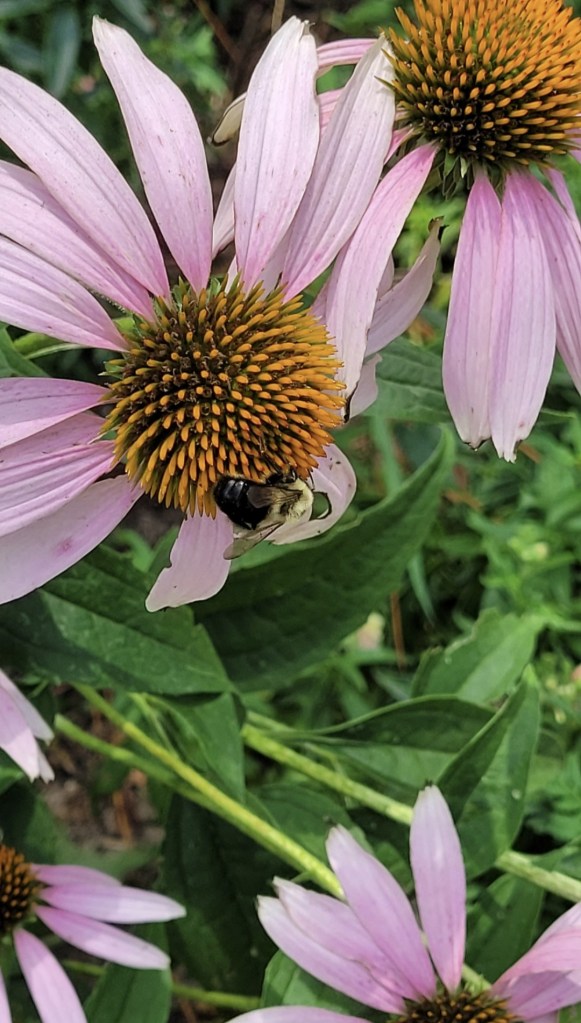
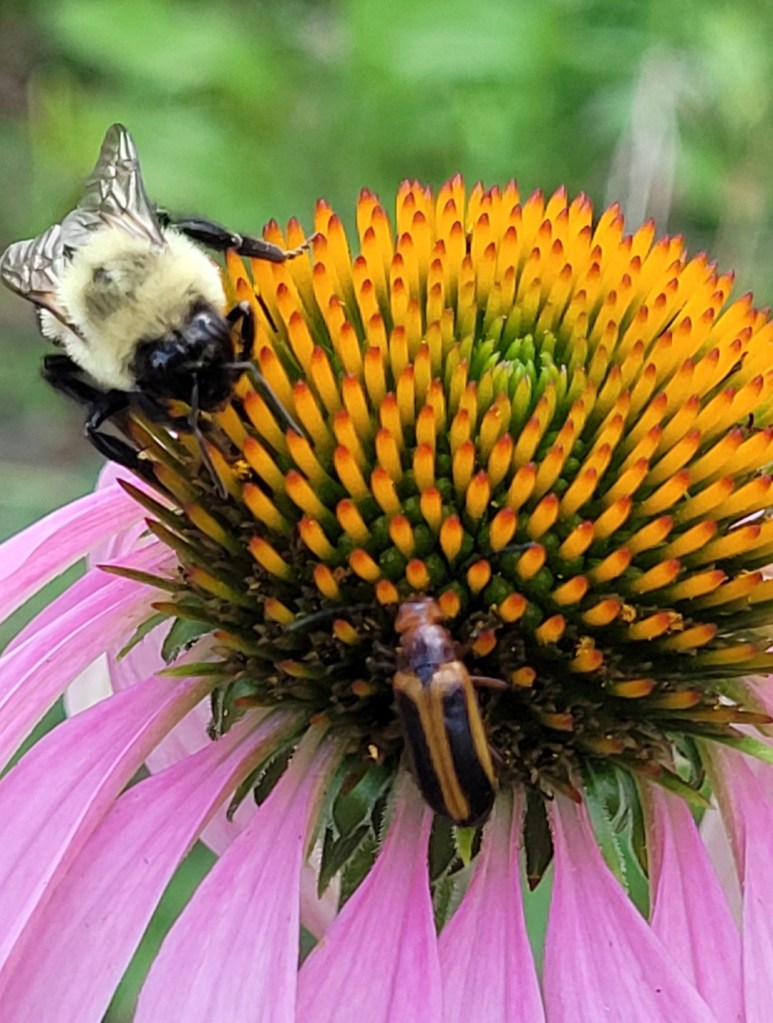
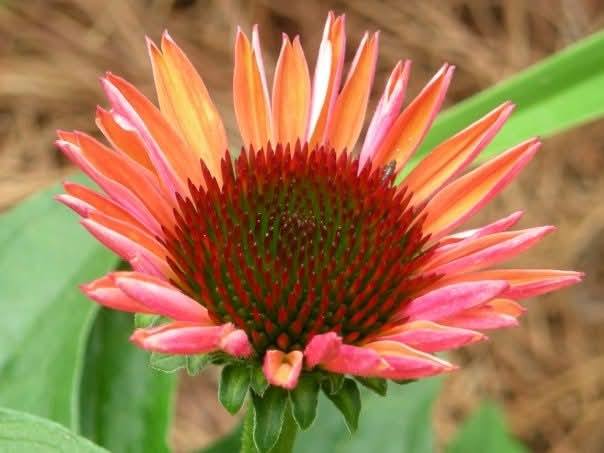
Echinacea, commonly known as coneflower, is a flowering plant in the daisy family often grown as a garden ornamental. The plant gets its name from “echinos” which means “hedgehog” in Greek and is a reference to the prickly seed cone at the center of the purple flower head. Although the blooms are eye-catching, it is the root that is of particular interest because it contains a number of polysaccharides. The root of Echinacea purpurea is used to produce teas, tinctures and extracts.
USES
Cosmetic: Tincture or infuse in hot water or oil to produce salves, balms, lotions and other topical products.
Culinary: Use alone or in combination with other herbs to make tea.
Medicinal: liquid extract tincture or dry powdered extract
Please use with caution if you have an allergy to other plants in the daisy family, like ragweed.
As always, please seek medical advice before adding herbs or supplements to your diet. Echinacea has known interactions that could change the effects or side effects of your other medicines.
Anyone with a medical condition should consult a doctor before taking Echinacea.
 Yuma Herb and Spice Shop