- Black, organic, Nigella sativa
- Powder, organic, Cuminum cyminum
- Whole, organic, Cuminum cyminum
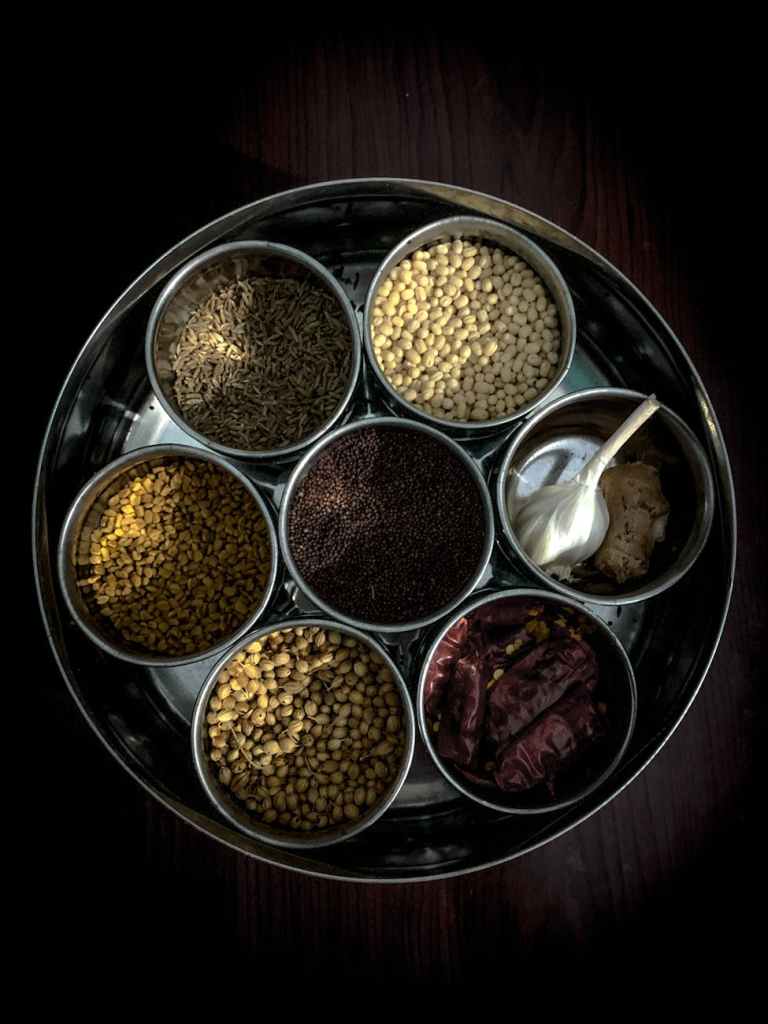
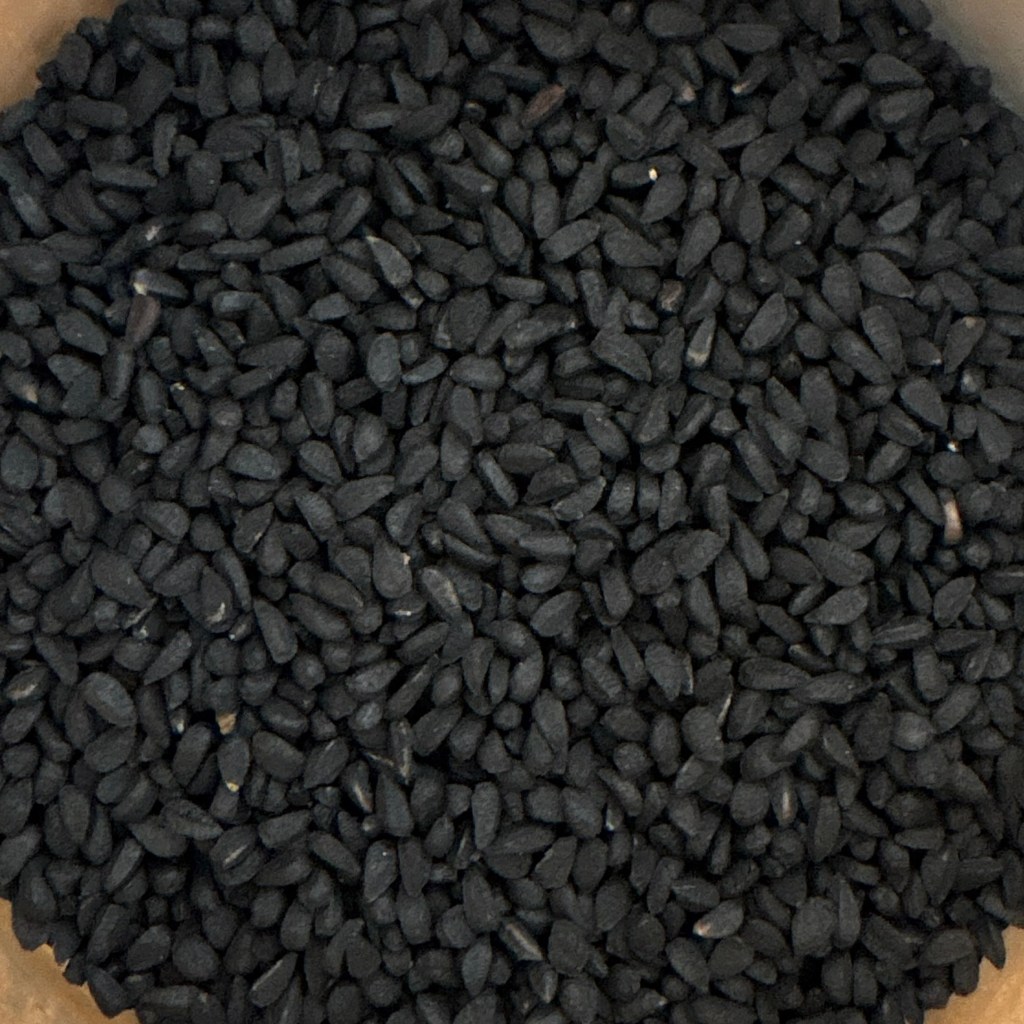
Black seed is the common name for the seeds of the Nigella sativa plant. Also known as black cumin, or black cumin seed, the seeds are pressed for black seed oil. Their flavor profile is savory, pungent, and slightly bitter to taste.
Black cumin seed has been celebrated for centuries for its medicinal and culinary applications and is especially popular in Middle Eastern, Indian, and North African cuisines. Best known for enhancing flavor and supporting digestion, the seeds can be added to dishes such as breads, curries, and sauces.
Active compounds are Thymoquinone, Thymohydroquinone, Nigellone, Alpha-hederin, Alkaloids, and Flavonoids.
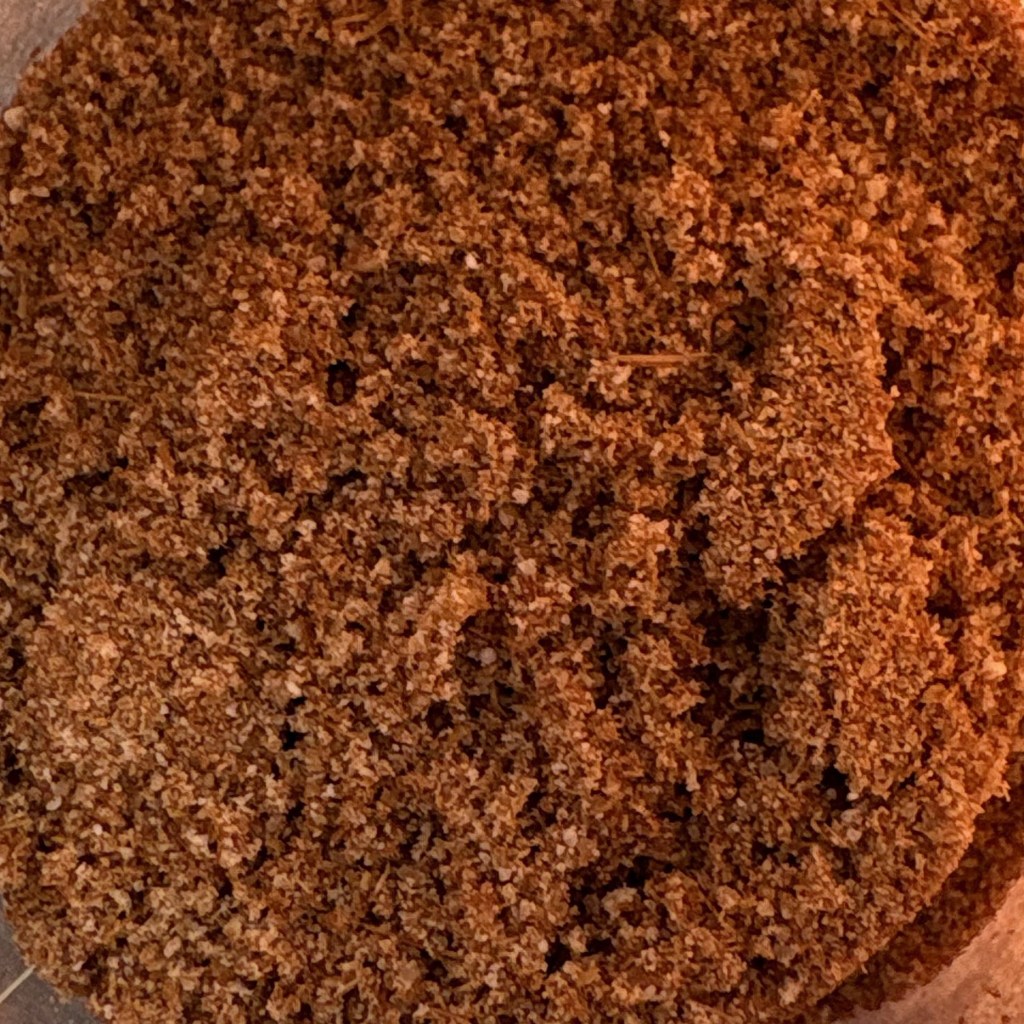
Organic powdered cumin seed is from Cuminum cyminum. Cumin seed powder makes a savory addition to spice blends, baked goods, and rice dishes. Powdered cumin tends to bring out the sweetness of other foods in a recipe, although remember to observe the wisdom of the “less is more” philosophy.
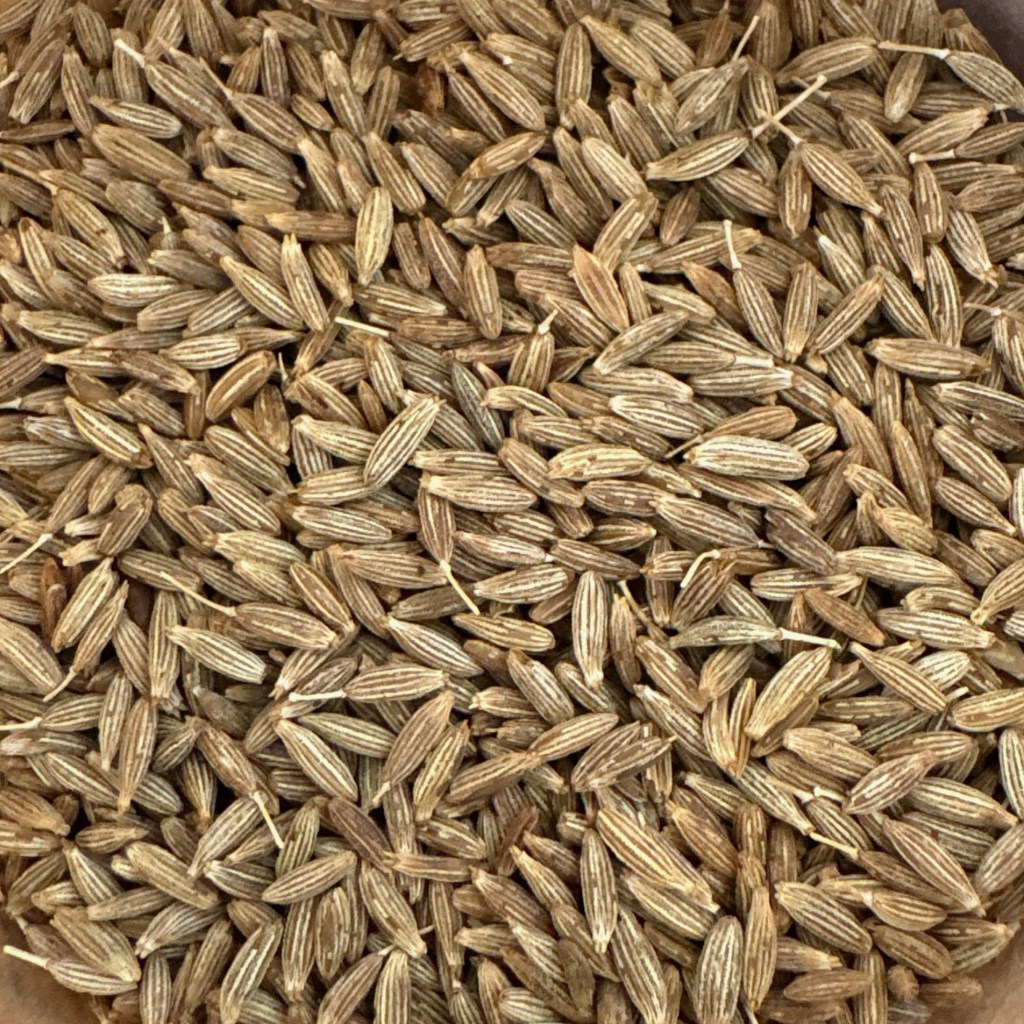
Cumin seeds are aromatic and add a unique depth of flavor to various spice blends and dishes. Cumin is used in Indian and Middle Eastern curries and sauces, pickling, fermenting, and even tea infusions. Cumin complements meats, beans, and tomatoes, adding warmth and a hint of smokiness.
Both cumin seed and powder have a rich, earthy, nutty flavor. If you’re using whole cumin seeds, try toasting them in a nonstick pan to bring out more of their unique flavor.
Cumin has antibacterial properties and, as such, has traditionally been used as a preservative. Cumin has potential as a cancer preventative, cholesterol control, and diabetes management. Cumin has long been a popular folk remedy for diarrhea and can help with several types of digestive issues, such as irritable bowel syndrome (IBS). The active compounds in cumin are Aldehydes, Pinene, Alpha-terpineol, and antioxidant Flavanoids. Cumin is also a source of Vitamin A, calcium, and iron.
As always, we recommend that you consult with a qualified healthcare practitioner before using herbal products, particularly if you are pregnant, nursing, or on any medications.
 Yuma Herb and Spice Shop