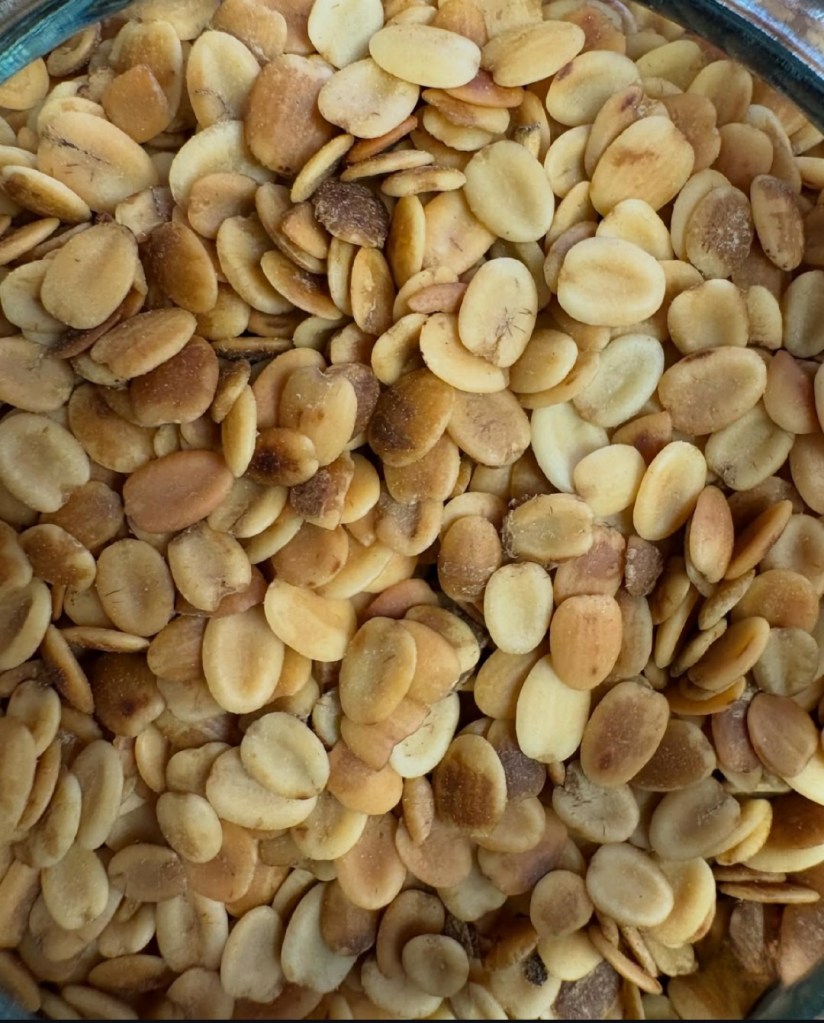
- Coriander Seed: Roasted
- Coriander Seed: Whole
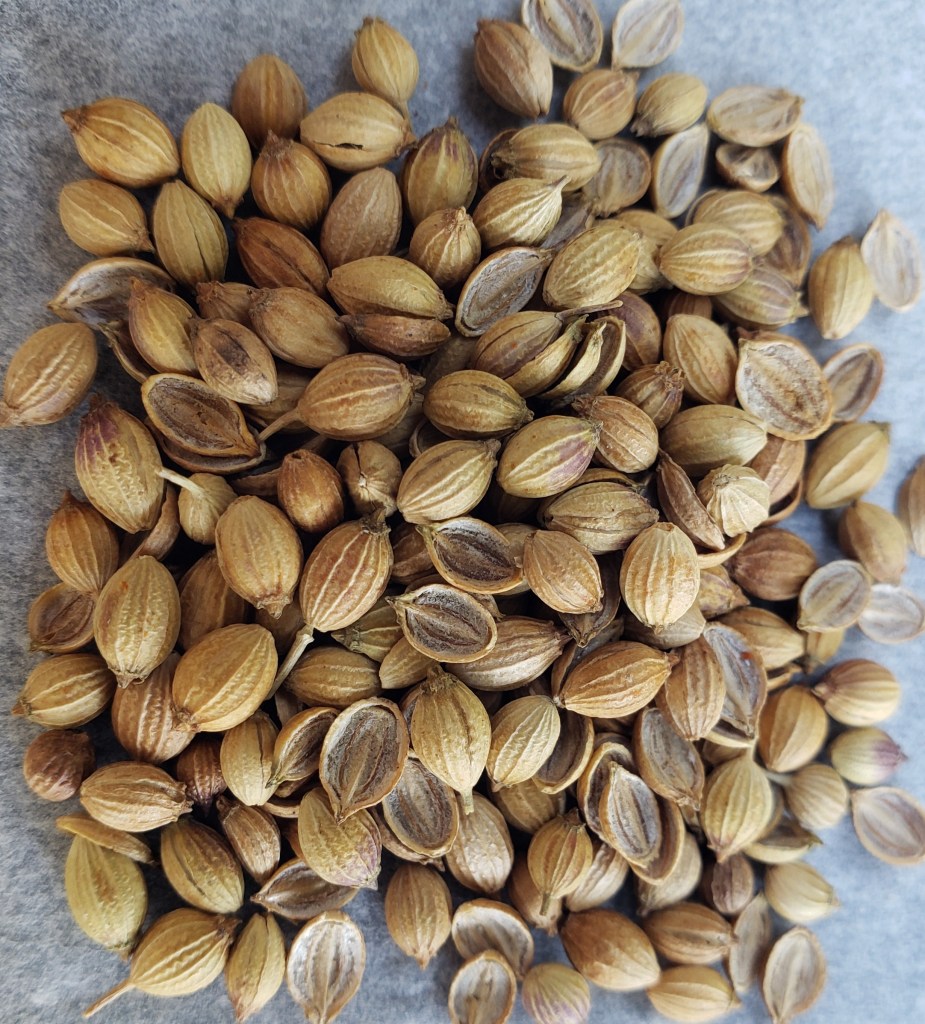
Coriandrum sativum
Coriander is the dried seed of the cilantro plant but tastes nothing like the herb. It has a sweet, mellow, and warm flavor that has a hint of orange. It has been described as nutty, spicy, and sweetly aromatic.
Medicinal Uses:
Coriander seeds are full of vitamin K, which plays an important role in helping your blood clot, helps in bone repair, and prevention of osteoporosis. Coriander also contains vitamin A, important for eye health. Coriander also contains vitamin C, important for the immune system, and dodecenal, which has shown antibacterial properties, potentially helping to fight against infections like Salmonella. The minerals in coriander, such as calcium, phosphorus, and magnesium, can help improve bone density and protect against joint pain.
Coriander is also full of antioxidants, important for fighting free radicals in your body. Free radicals can damage your cells, potentially causing cancer, heart disease, and more. The antioxidants in coriander help to remove these free radicals from your body, thereby reducing your risk from cancer and even decreasing signs of aging.
Coriander acts as a diuretic, flushing extra sodium from your system and reducing your blood pressure. Coriander also has anti-inflammatory properties, and has been shown to reduce blood sugar in diabetics.
Culinary Uses:
Coriander is a staple in Indian cuisine. It is added ground or whole to chutneys, pickling spice mixtures, and is frequently used to season chicken and pork.
The seeds taste like burnt orange when toasted but are mildly sweet when ground as a spice.
Coriander should be added late in cooking—just minutes before your dish is completed—since prolonged cooking will cause the flavor to dissipate.
Coriander can help provide flavorful balance between sweet and pungent tastes. Since coriander can be used in great quantity, it comes to the rescue when making homemade spice blends. If you accidentally add too much of a pungent item, you can simply add double the amount of coriander as the opposing spice and regain balance.
 Yuma Herb and Spice Shop