Organic
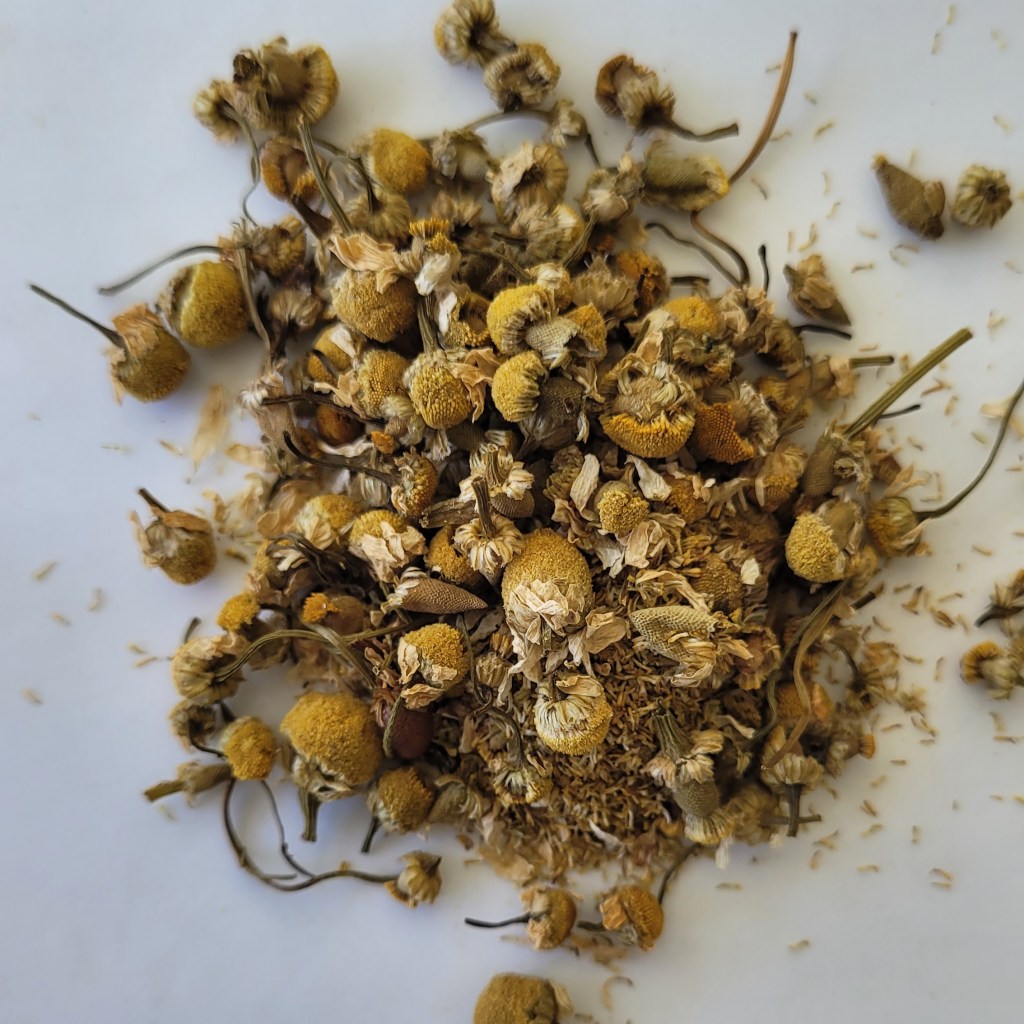
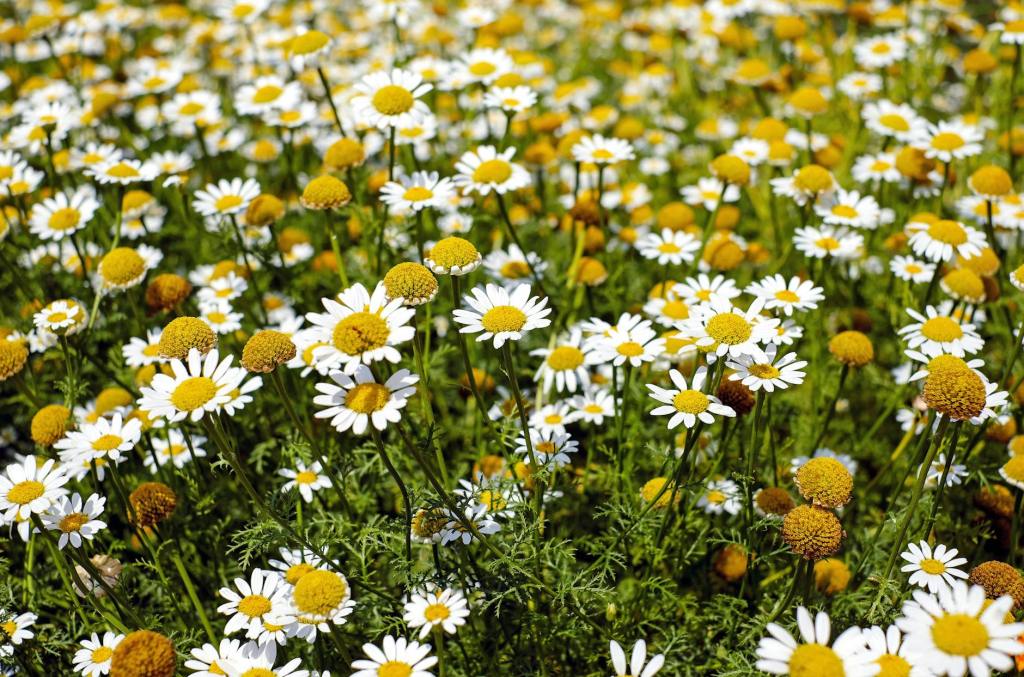
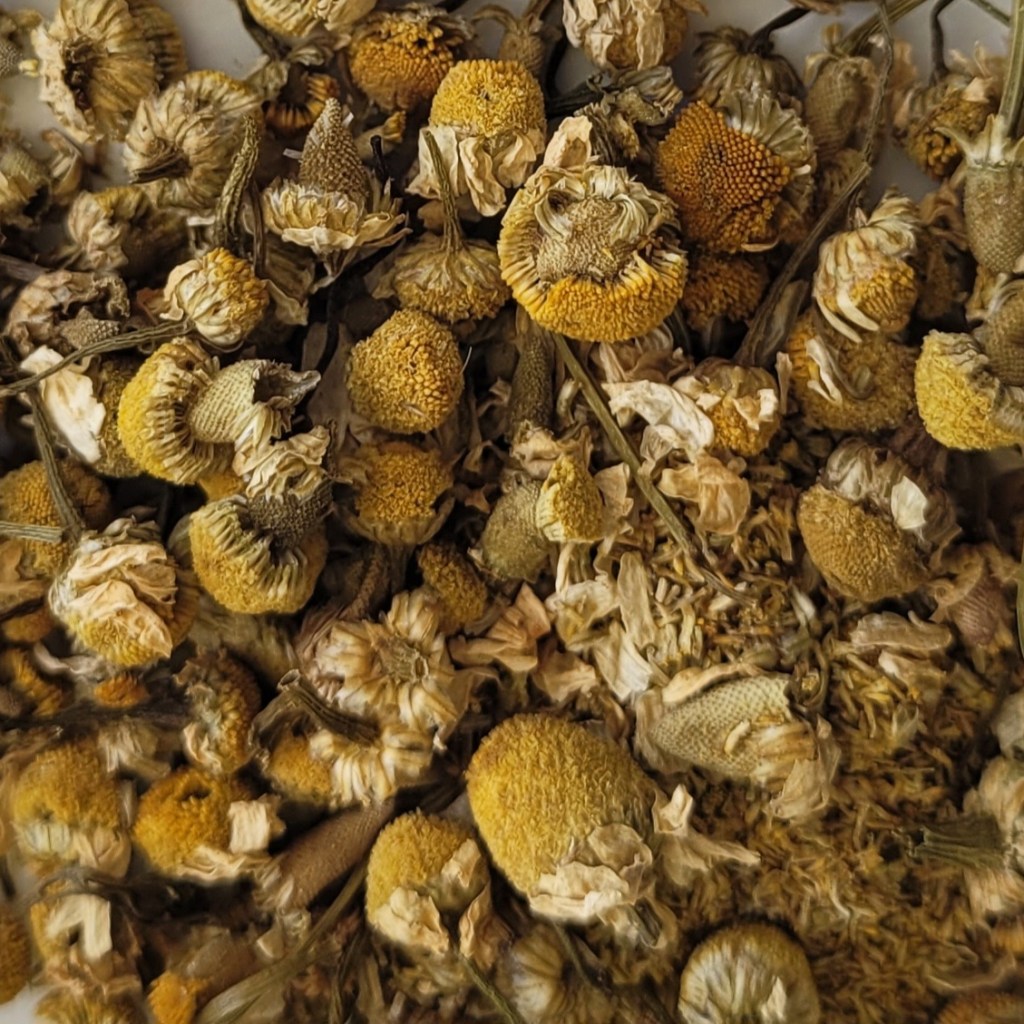
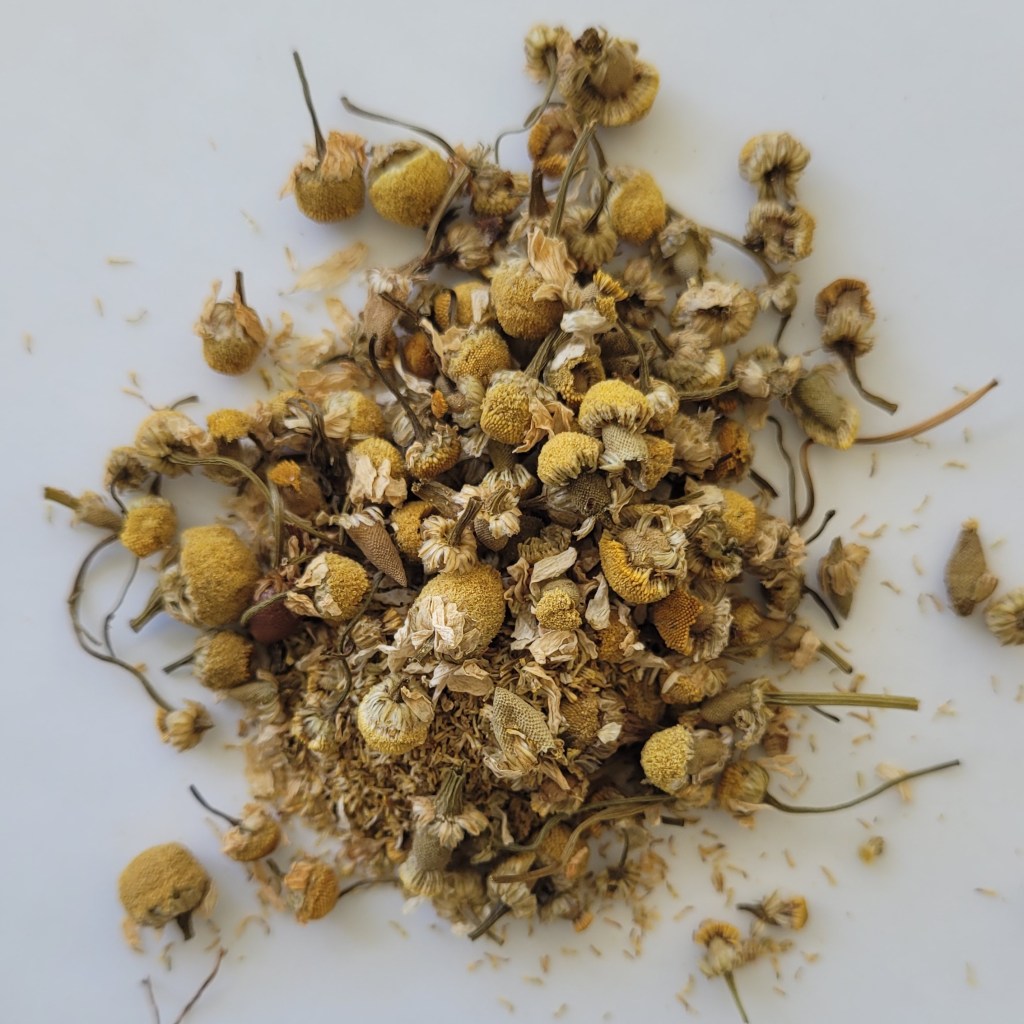
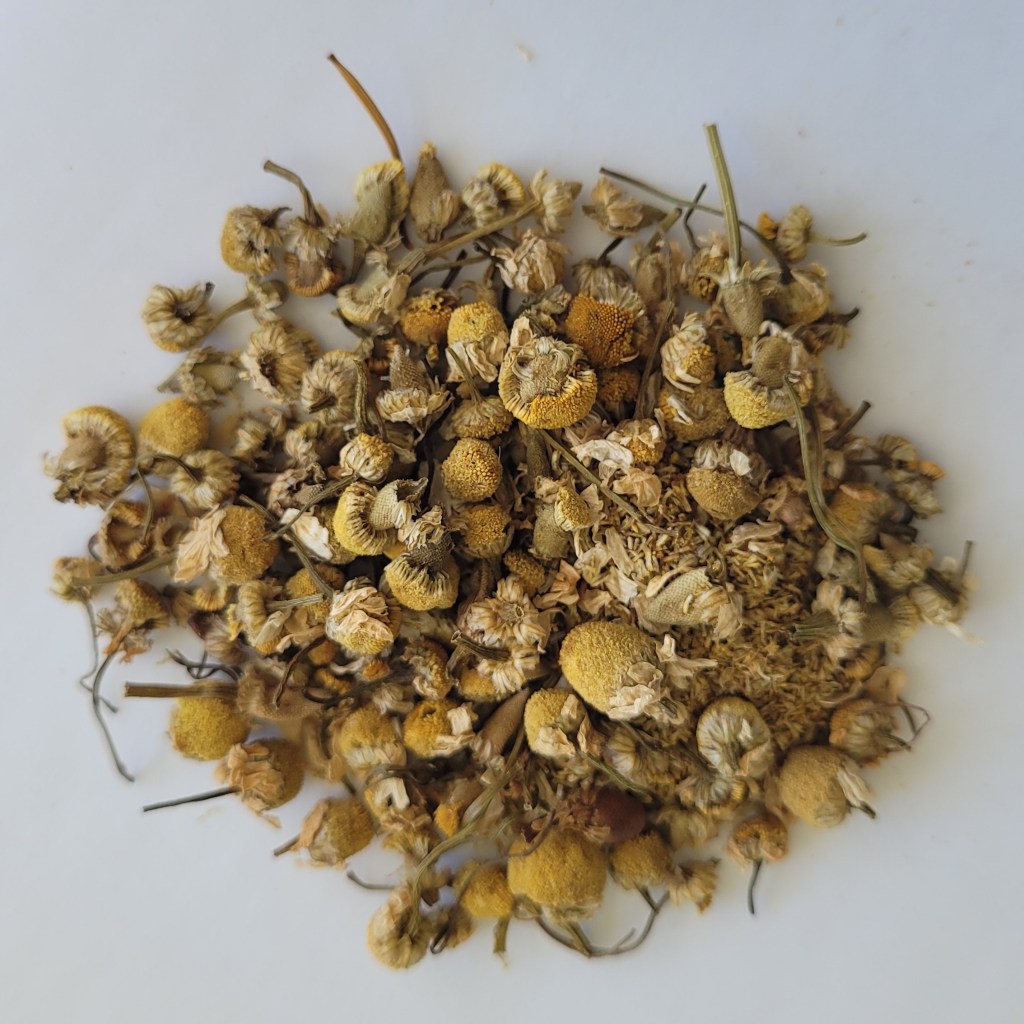
The dried flowers of chamomile contain many terpenoids and flavonoids contributing to its medicinal properties, lending to it consistently being listed in the top ten healing herbs of all time.
About
Botanical name: Matricaria recutita
Origin: Egypt
Plant part: flower
Storage: keep sealed in airtight container in a cool, dark place below 63 degrees F.
Uses
Cosmetic: infused oils for salves, lotions, lip balms, and other cosmetics
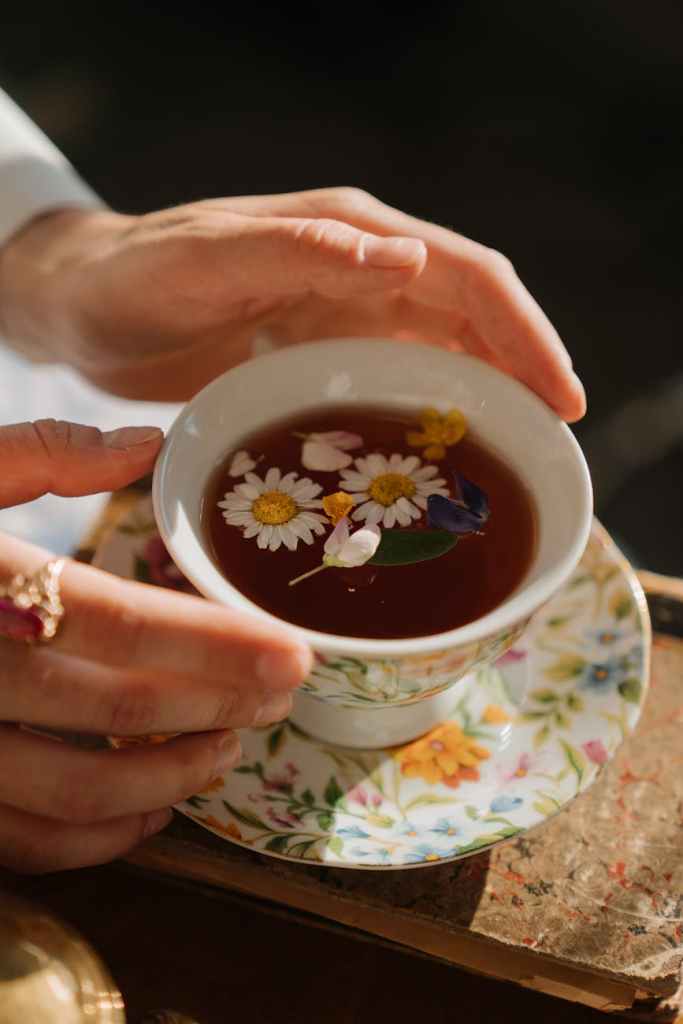
Wellness: use in teas or tonics
Culinary: add whole flowers to vegetable or chicken broth
One of the most powerful medicinal herbs known to mankind, Chamomile’s dried flowers have been used since antiquity. Egyptians considered it sacred, associating it with the sun god Ra, and rubbed it on their skin for its aromatic properties. The Greeks named it “chamaimelon,” meaning “ground apple” due to its scent, and they and the Romans used it extensively for digestive and sleep issues. Medieval Europeans continued this tradition, using chamomile for its healing effects and protective qualities. Vikings used chamomile infusions to brighten their hair.
What is chamomile used for?
Sleep and Relaxation:
Chamomile tea is considered beneficial for promoting relaxation and reducing insomnia, thanks to the antioxidant apigenin.
Digestion:
Chamomile also helps aid digestion and soothes issues such as stomach pain, bloating, gas, and diarrhea.
Anxiety and Mood:
Chamomile’s calming properties can help reduce anxiety and promote a sense of relaxation, making it a potential aid for managing anxiety or stress.
Wound-healing:
Chamomile contains compounds such as alpha-bisabolol which have antimicrobial and antiseptic properties, which help fight the growth of microorganisms. Chamomile also contains bisabolol and chamazulene, known for their anti-inflammatory properties, helping to reduce swelling and irritation.
 Yuma Herb and Spice Shop